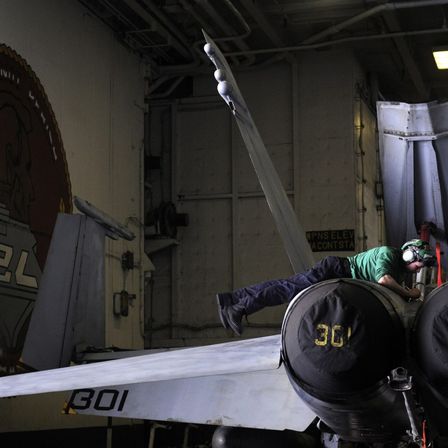
Cost Per Flight Hour: The Number That Outlives the Purchase Price
The purchase price of a combat aircraft is paid once. The hourly cost of flying it is paid for forty years, and it is quoted by at least three different definitions that do not agree.
How the hardware is bought: contract types and margins, acquisition gates and cost breaches, the two bills that decide the budget, and the two doors American weapons leave the country through.
Updated
Scale and profit are different questions. A firm can book sixty billion dollars of arms revenue and still run a single-digit operating margin — and the regulation that sets its fee explains why.
The purchase price of a combat aircraft is paid once. The hourly cost of flying it is paid for forty years, and it is quoted by at least three different definitions that do not agree.
Congress passes two defence bills every year. One of them says what may be done. The other one is the money. Confusing them is the most common error in reporting on the defence budget.
An American weapon reaches a foreign military through one of two channels. Which channel it takes decides who negotiates the price, who carries the risk and how much Congress is told.
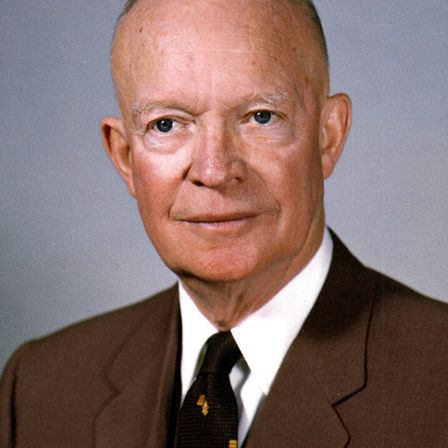
The most quoted eighteen words in American defence politics come from a speech whose other three warnings are almost never read, and whose drafts contained a word that was taken out.

Four different numbers are all called "the US defence budget", and each one is correct for a different question. The difference between them is a classification scheme nobody outside Washington is taught.
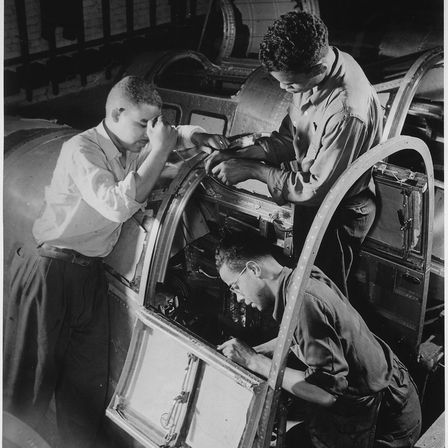
The word "prime" describes a position in a contract, not the size of a company. Which position a firm occupies decides who may audit it, which clauses bind it, and whom the government can sue when the work fails.
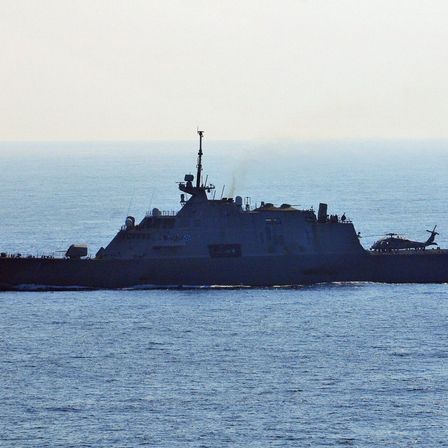
When a programme's unit cost grows past a line written into law, the Pentagon has to tell Congress, and in the worst case has to justify the programme's existence from scratch or shut it down.
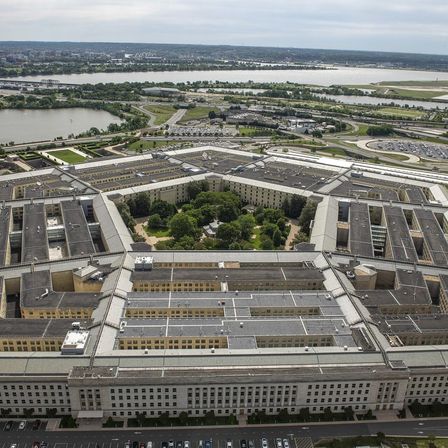
The rules on moving between the Pentagon and its contractors are real, specific and enforceable. They are also narrower than most people assume, and they regulate representation rather than employment.
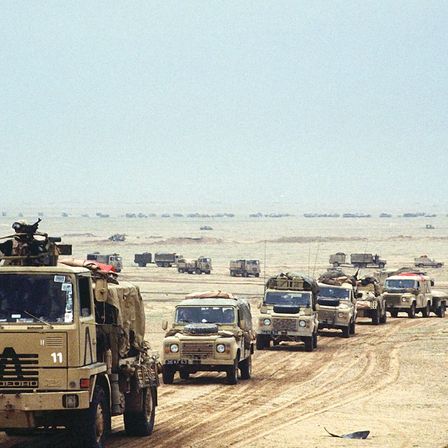
The United States attaches conditions to the weapons it exports. Two programmes exist to find out whether the conditions are being kept, and both are smaller than the trade they monitor.
Primes, tiers and the business of being paid by the government.
5 articlesBaselines, gates and breaches: what a programme costs before anything flies.
5 articlesTwo bills decide one budget, and the corridor sits between them.
5 articlesTwo doors out of the country, two control lists, one side deal.
5 articlesWhere the phrases were coined and what became of the plants.
5 articlesThe general desk: running coverage and everything that fits no single beat.
5 articlesThe pages of the 2011 book companion that stood at this address, kept where they were.
6 pages from 2011Six companies take the largest single shares of the world arms business. Two of them sell almost nothing else.
| Company | Country | Arms revenue, $bn | Share of total sales |
|---|---|---|---|
| Lockheed Martin | United States | 60.8 | 96% |
| RTX | United States | 39.6 | 58% |
| Northrop Grumman | United States | 33.6 | 89% |
| Boeing | United States | 32.7 | 42% |
| General Dynamics | United States | 30.4 | 73% |
| BAE Systems | United Kingdom | 29.8 | 97% |
QatarEnergy's search for longer-term U.S. LNG supply is a sign that Gulf disruptions are creating openings for American exporters, while also complicating Gulf trade…
In 2025, U.S. defense contractors strengthened their economic ties with the United Arab Emirates (UAE) through increased participation in the country’s defense offset…
Hungary's adoption of the Lynx infantry fighting vehicle (IFV) and the establishment of an associated production hub in Zalaegerszeg marks a significant development for…
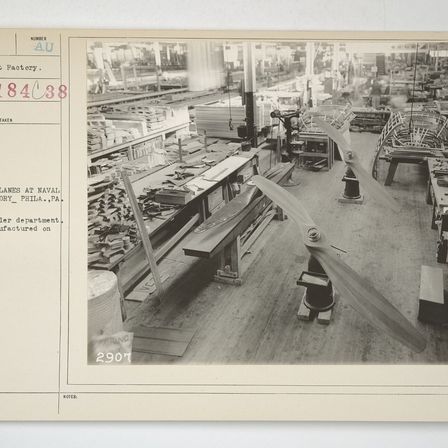
A phrase from a radio broadcast in December 1940 became an industrial programme, a legal framework and a set of plants that outlived the war that built them.
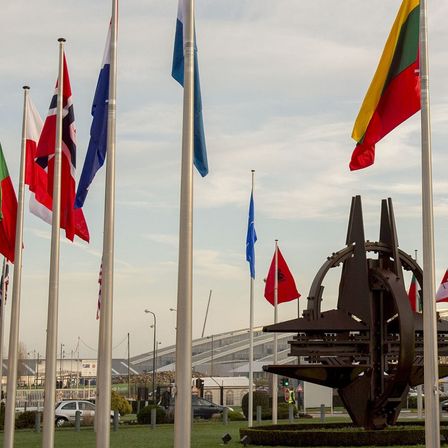
The alliance's spending target is a single number that conceals three arguments: what counts as defence spending, what counts as equipment, and what the number was replaced with in 2025.
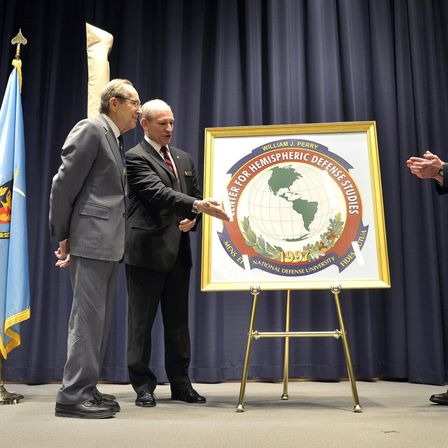
At a Pentagon dinner in 1993 the deputy secretary of defence told the industry's chief executives that there would not be enough work for all of them. Within five years the field of prime contractors had collapsed into five.
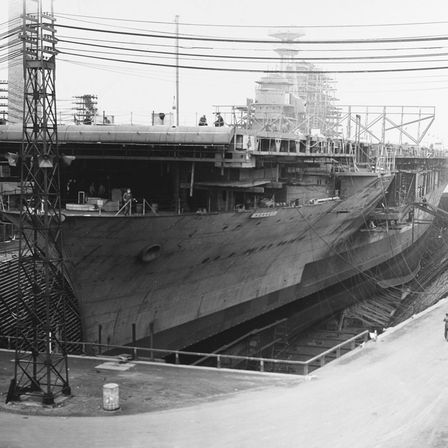
Six explanations are offered every time a weapons programme costs more than announced. Five of them are real. One of them explains most of the money.
| Programme | Total quantity | Programme cost, $bn |
|---|---|---|
| F-35 Lightning II | 2,456 | 1,700 |
| Columbia-class submarine | 12 | 130 |
| B-21 Raider | 100 (minimum) | classified |
| Constellation-class frigate | 20 | 22 |
| Sentinel ICBM | 634 | 141 |
This address began as the companion site to a 2011 book about Lockheed Martin and the business of war. Those pages are kept exactly where they were, under their original addresses, and are reachable from here.